2025 was a great year for Kenyan music, with the scene growing exponentially in every direction, something like a melodious katamari damacy, rolling forward and collecting everything in its path. Established sounds and artists pushed into new territory, stretching their forms in the endless pursuit of reinvention, while emerging voices and unexpected genres surfaced everywhere, adding texture and surprise to an already vibrant landscape.
The music refused to stay still, evolving in so many directions at once, shaping itself into hybrids that married the local with the international, the old with the new. It was a year of constant motion, where rhythms felt both rooted and unbound, and where every release seemed to tug the scene forward a little more. The result was a soundscape that kept us moving, not just on dance floors but in imagination, reminding us that Kenyan music is at its best when it’s stretching toward something just beyond its own horizon.
The albums came thick and fast in 2025, each one adding its own colour to an already electric year. And now, after months of listening, debating, revisiting, and reshuffling, we’re finally here: presenting WAKILISHA’s definitive ranking of Kenya’s Top 10 Albums of the Year. A list shaped not just by numbers, but by impact, by the records that pushed the culture, stretched the craft, and stayed with us long after the last note faded.
Honorable Mentions
But before we get into the top 10, let’s look at a few honorable mentions. These are the albums and EPs that performed strongly across our evaluation criteria, impact, cohesion, replay value, production quality, and cultural relevance, but did not accumulate enough overall weight to break into the final rankings. In several cases, shorter runtime affected scoring on completeness; in others, the competition was simply too tight in a year with an unusually high volume of strong releases. Even so, each of these projects ranked well in key categories and remains an important part of the 2025 musical landscape.
- Maybe II (EP) – Xenia Manasseh & Ukweli
- WAMEYO (EP) – Elsy Wameyo
- Swakacha – Ally Fresh
- Labor Of Love – Zaituni
- The Kids Are Alive – Gufy
- Almost There – Genes1s
- Baddies Need Love – Maandy
- MPISHI – Matata
- Vaite (EP) – Boutross
- Mbak Ndalo (EP) – Coster Ojwang
Top 10 Kenyan Albums of 2025
Without further ado, let’s get into the heart of it. Here are WAKILISHA’s Top 10 Albums of the Year:
-
Victims Of Madness 2.0 – Wakadinali
Wakadinali continue to grow from strength to strength, and on Victims of Madness 2.0 they deepen both their repertoire and their expanding universe. The project builds on the raw intensity and narrative ambition that have defined their rise, sharpening their thematic focus while broadening the sonic palette around it. Stylistically, they push into new territory, with tracks like “Maproso” (featuring Suzanna Owiyo) revealing just how elastic the trio’s sound can be. The blend of Wakadinali’s grit with Owiyo’s grounding presence expands the boundaries of their universe without compromising its core.
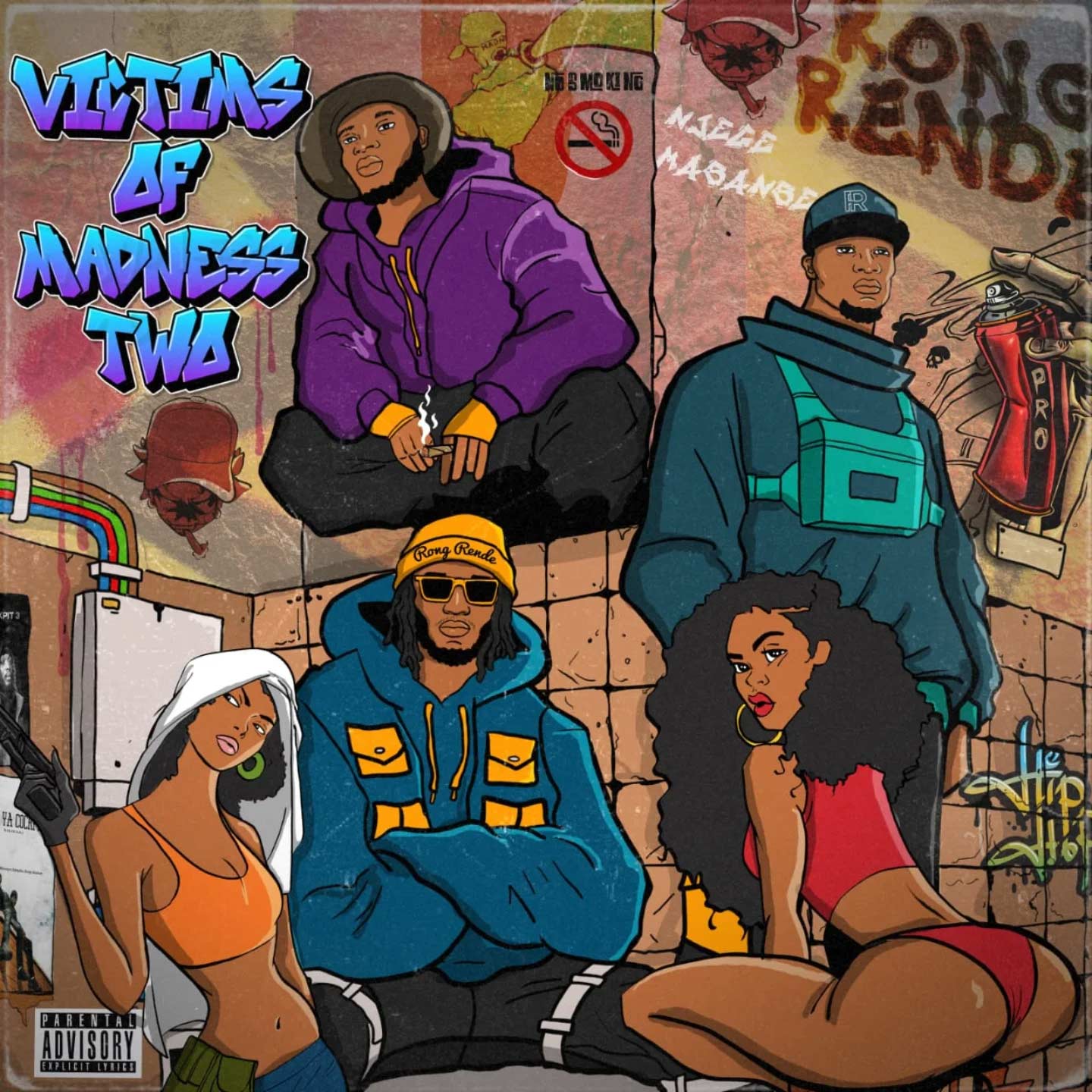
The album also benefits from the seasoned touch of Kitu Sewer, whose contributions on the intro and on “Chizi” add depth, lineage, and a sense of craft honed over decades. Alongside him, their Rong Rende affiliates Skillo and Sudough Boss reinforce the group’s communal energy, showing how Wakadinali continue to anchor themselves in a broader creative ecosystem while steadily refining their own voice.
The album adds to the ever-expanding Wakadinali Cinematic Universe, folding new voices and familiar allies into a world that keeps stretching without losing its centre. Each feature feels like another chapter unlocked, another corner illuminated, the trio threading all these additions into a narrative only they could hold together. Victims of Madness 2.0 is a reminder that Wakadinali have not yet shown all their cards and can still surprise even their most devoted listeners. Just when you think you’ve mapped the edges of their sound, they pull the horizon a little farther, revealing new angles, new risks, and new layers to an already formidable catalogue.
-
Likizo – DJ Mura & Big Nyagz
2025 was the year that afrohouse, specifically 3-step, took over Nairobi. In the midst of this South African invasion, DJ Mura and Big Nyagz cooked up something that shows the strength of the Kenyan Afrohouse scene. The two of them purposefully direct their efforts away from anything that would be considered an attempt at blatant trend-jumping on Likizo.
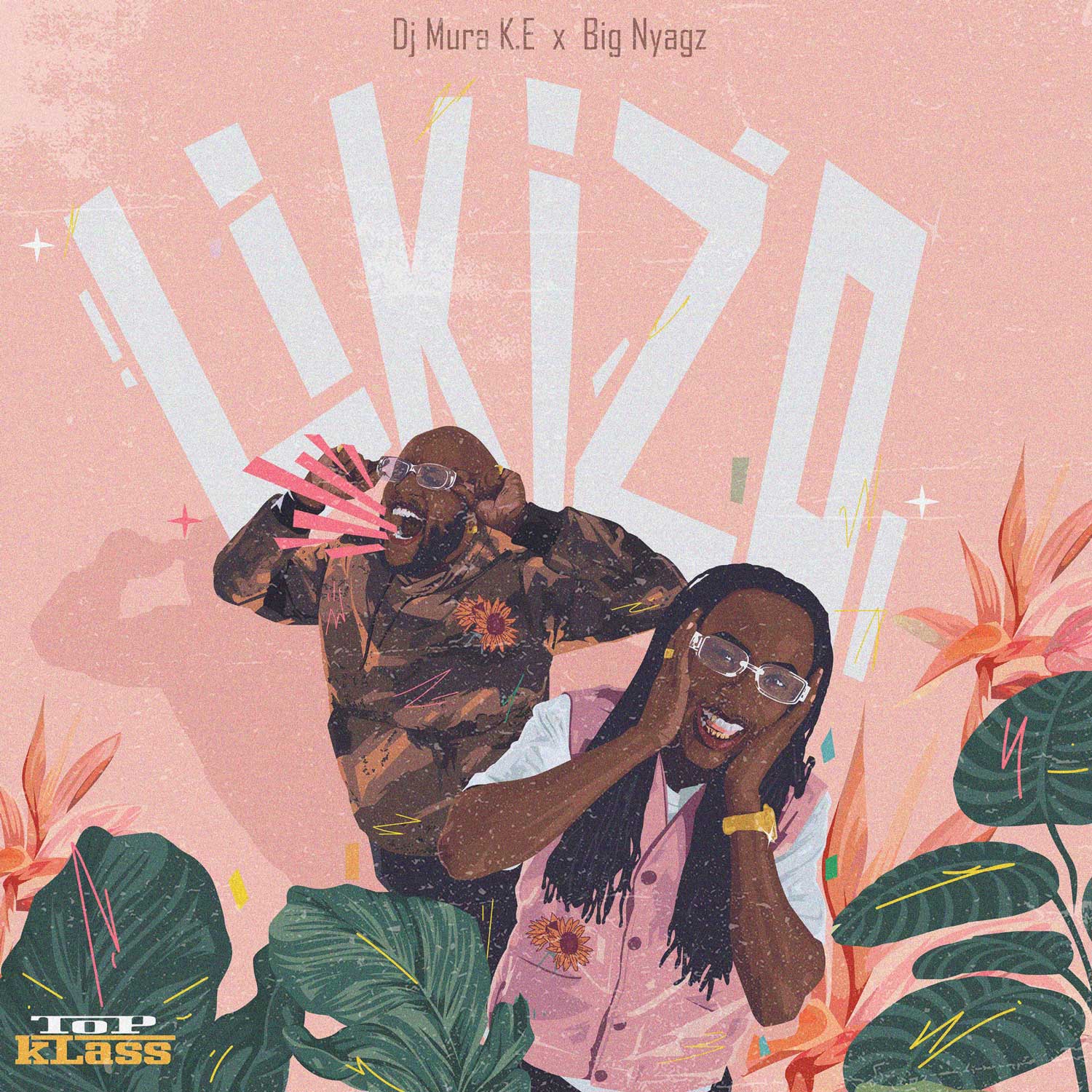
Instead they contribute to the zeitgeist in an authentic way and their approach to this project creates an album that blends everything we love about Kenyan music with the crossover appeal of Afrohouse.
-
Taigwa Goma – 4Mr. Frank White
On his fourth album in three years, 4Mr. Frank White continues to rap with an urgency that feels almost physical, like someone has a gun to his head and the only way out is to keep spitting.The Kahawa West–born artist jumps across arbantone, hip-hop and Afro R&B, without losing the thread of who he is. The record moves restlessly, almost compulsively, yet every shift feels anchored in his lived experience, his cadence, his worldview.
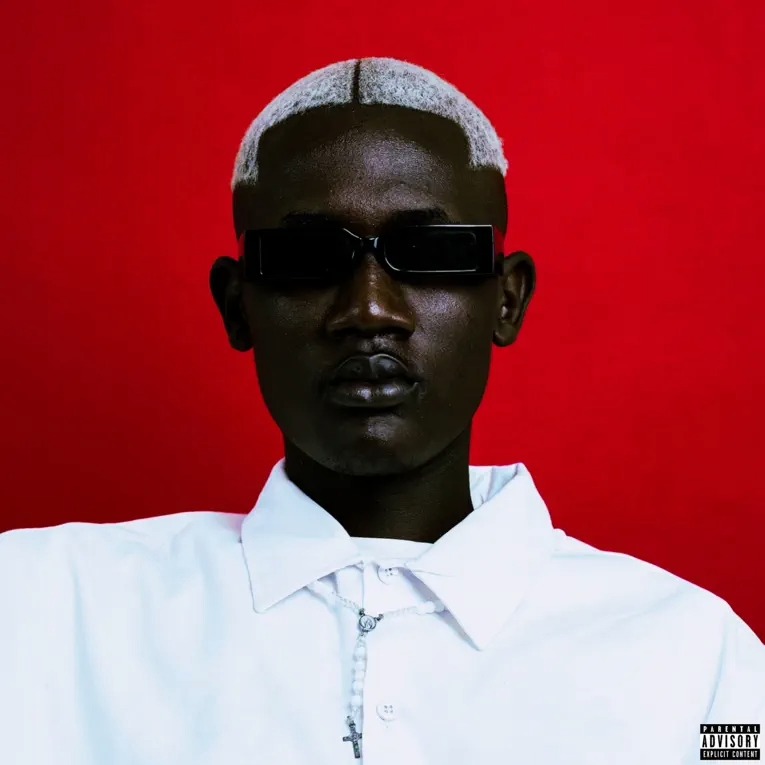
Even with his high-volume output of music (this album comes with a Side B, by the way), Taigwa Goma is evidence that 4Mr. Frank White still has something to say, and you’d do well to pay attention. The momentum isn’t masking emptiness; it’s fueled by a clarity of purpose that keeps pushing him forward, project after project.
-
Pressure – Mau From Nowhere & Hihi

Pressure proves that Mau From Nowhere hasn’t missed a step yet, still able to weave his deeply introspective lyrics using the softest words. On this collaboration with producer Hihi, Mau From Nowhere explores a wide range of themes, giving the album the intimacy of a small, dimly lit show meant solely for your ears rather than a big-tent spectacle. The production and songwriting work in tandem to create a space that feels private, intentional, and disarmingly close.
The constant feeling of growth and earned wisdom running through the songs on Pressure pushes the project forward, giving it a sense of direction and quiet momentum. It’s this through-line that makes the album Mau’s most cohesive work yet, each idea landing with greater clarity, each emotion shaped with more precision, allowing the entire project to speak in a voice that feels fully formed.
-
The Art of Gengetone – Joefes
Gengetone artists have been known for their single releases, so the album is a quiet but unmistakable shift in the genre’s imagination. It signals an artist betting on longevity instead of just virality and quick hits. In a scene that often thrives on the immediacy of club-ready drops, Joefes’ decision to compile such a sprawling body of work feels like a declaration that Gengetone can sustain emotional range and textured experimentation without losing its grit. Joefes has been one of the most consistent and creative Gengetone artists in the industry since the genesis of the genre.
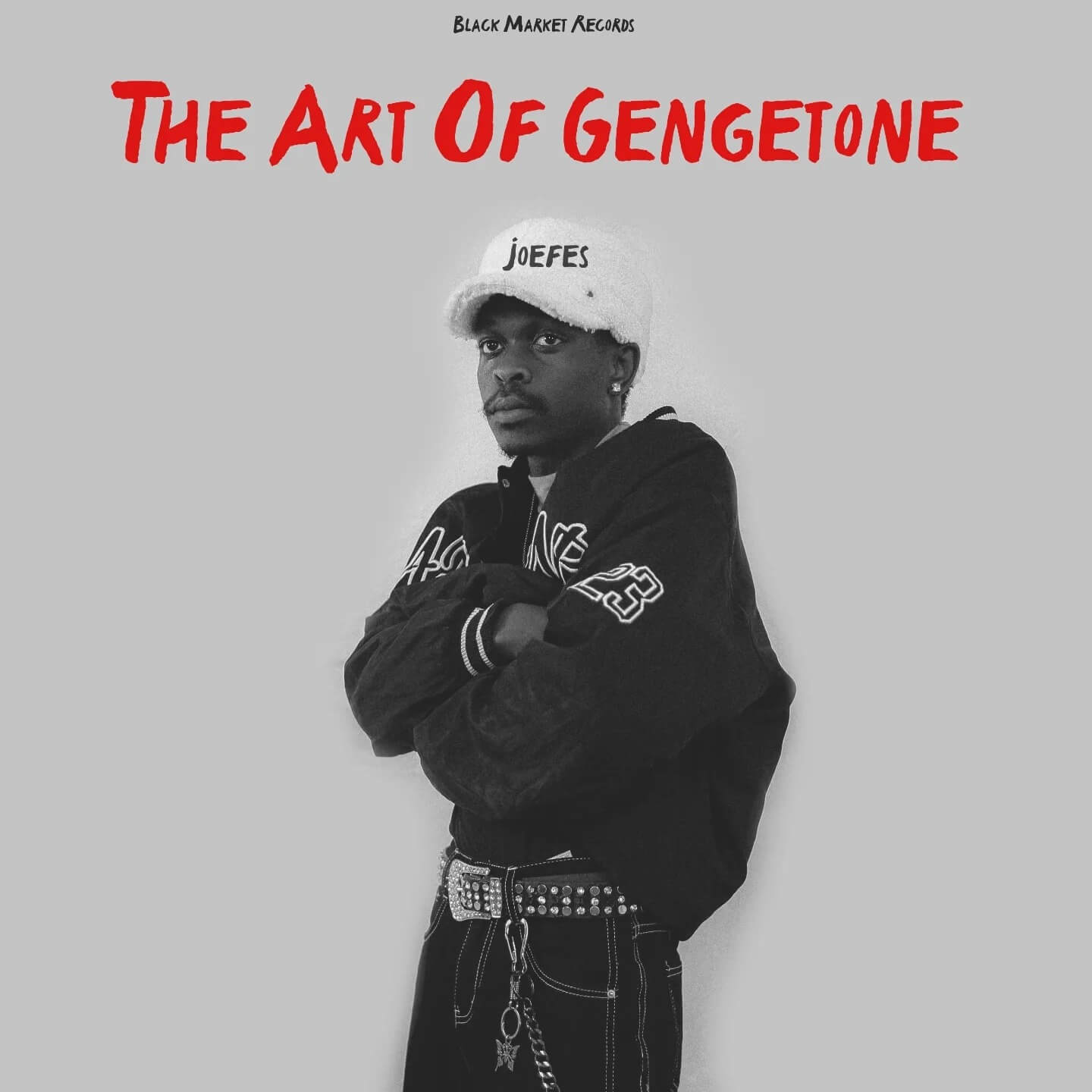
The Art of Gengetone brings together a constellation of other Gengetone heavyweights to offer a comprehensive, highly entertaining and creative 22-track body of work. The album stands out for its intentional curation which will undoubtedly win over many fans who may have previously overlooked Gengetone music as Gen Z music. Produced by Black Market Records, the album introduces several new voices to the Gengetone repository while giving the OGs such as Teslah, Fathermoh, Unspoken Salaton, Odi wa Murang’a, Exray Taniua, Kushman and Iphoolish their space to shine.
-
The Book of Jones: 1st Chapter – Khaligraph Jones
Full of bars and a lyrical flow that leaves you pumped, the intro track ‘Crashout’, which features Teya Ticasso opens the album with energy and a clear message that Khaligraph is truly one of the best in the game. The 10-track album released in April features several Kenyan heavy-weights including Nyashinski, Mordecai Dex, Silverstone Barz, Abbas Kubaff and Dyana Cods. Khaligraph’s oratory strength shines as he switches between English, Luo, and Sheng flawlessly.
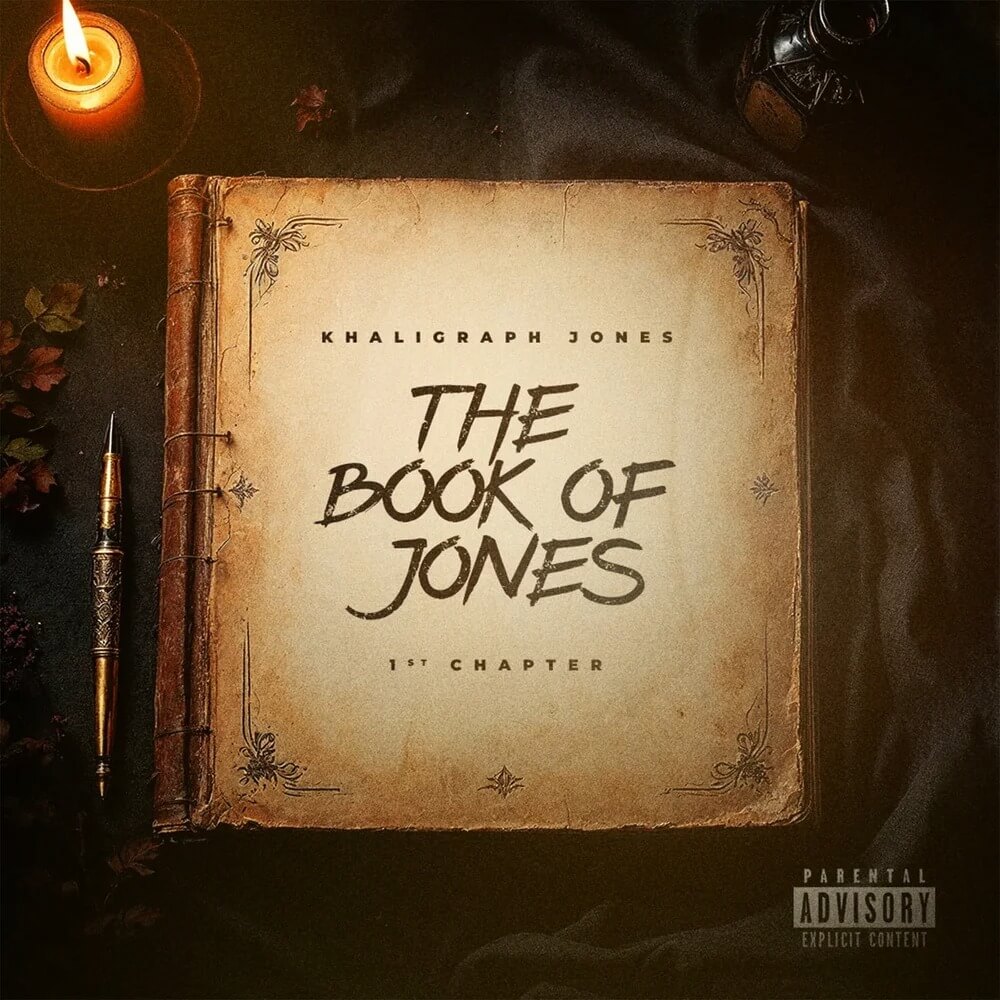
And as usual, Khaligraph is a storyteller who doesn’t let you forget that his journey did not start last year, having overcome many challenges along the way to carve out his place in the pantheon of Kenya’s greats, all while carrying his people along with him. The album is not homologous, offering a filling buffet of rap, boombap, Afrobeats, and Rnb. Like Khaligraph says in Halfway, featuring Mordecai Dex, “In the pursuit for happiness, I found growth”, and grown he has.
-
The Sweetest Time – Maya Amolo
On The Sweetest Time Maya Amolo pushes herself out of her comfort zone, following a natural progression as she explores beyond the limits of her previous sounds. The album is the sound of an artist widening her reach while deepening her voice. The lush, low-key music in the 12-track album shifts our gaze away from Maya the lovergirl, toward Maya the person, an artist stepping into a fuller, more nuanced version of herself. There’s a multi-generational appeal here, a softness and maturity that can slip comfortably into any genre she chooses to explore.
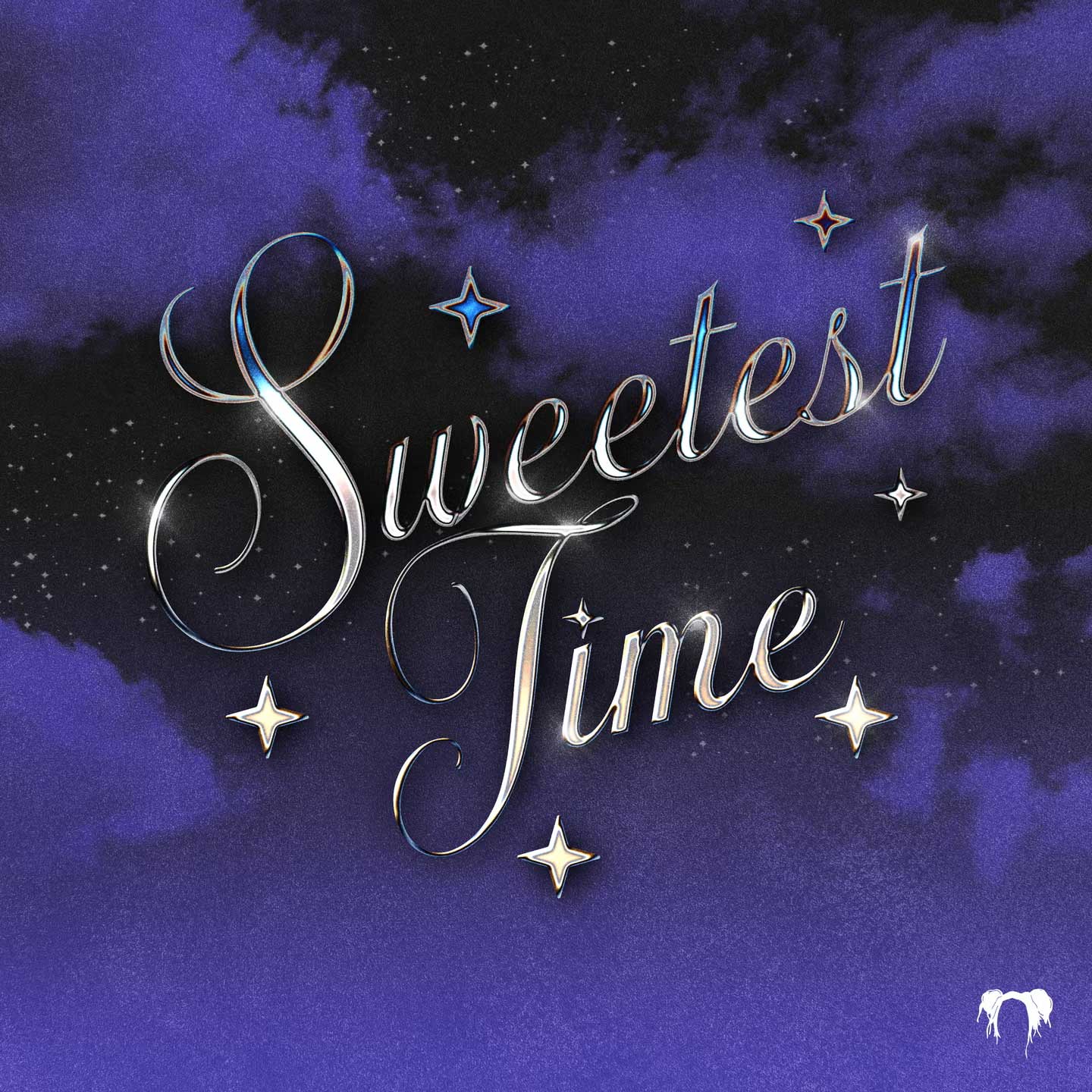
In The Sweetest Time, Maya shows just how comfortable she’s become colouring outside the lines, marking an important milestone in the evolution of Maya Amolo’s artistry. The Kenyan artist has not just grown, she is also more willing to trust her instincts.
-
Mwihiko: Ûtheri Wa Ngoro – Njoki Karu
5 years after releasing her last project, Njoki Karu returns with a tour de force that creates one of the most powerful statements a Kenyan artist has had in recent memory. The record reflects Njoki’s emotions, guiding the listener through the peaks and valleys of her emotional state all while maintaining a tension that does not let up until the end.
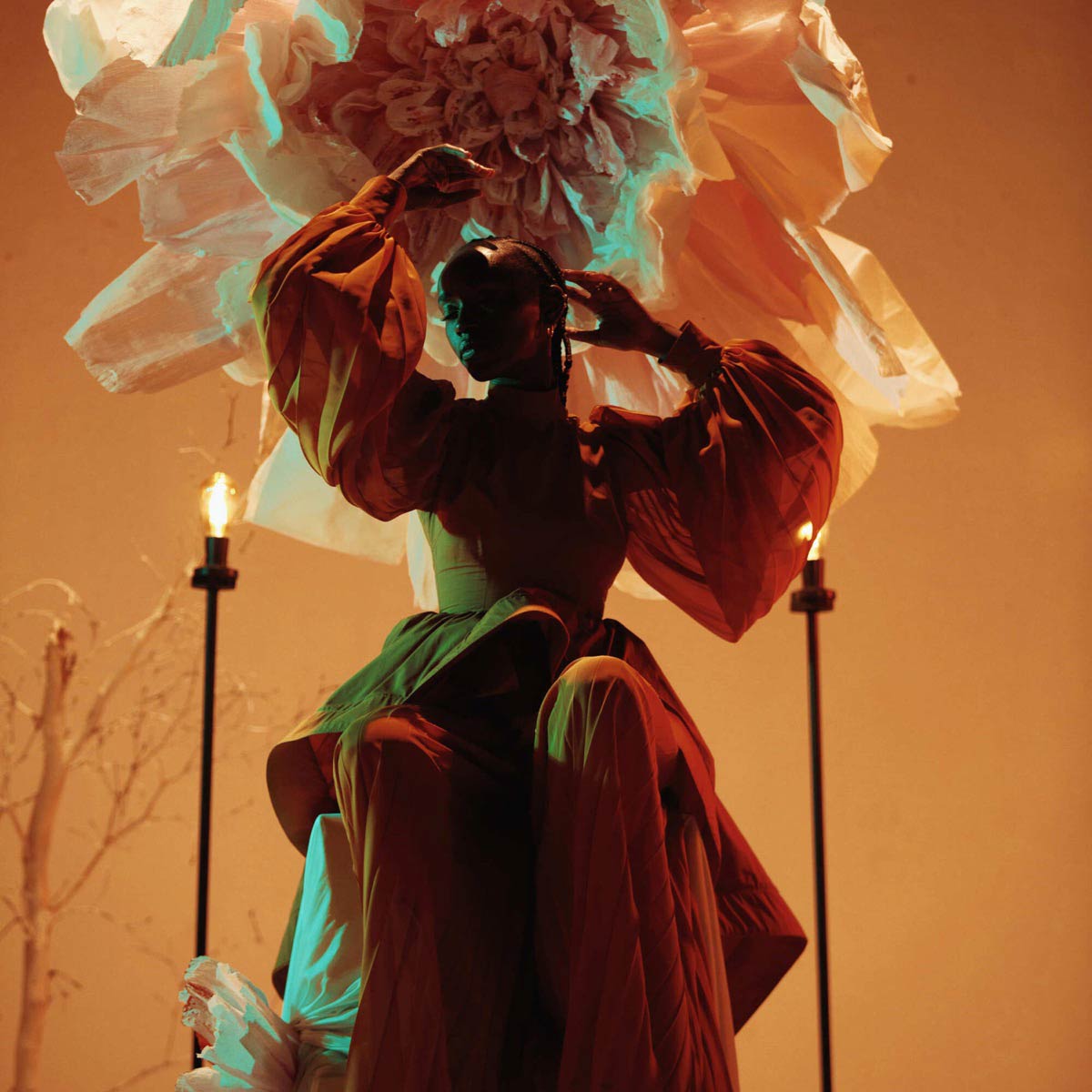
The journey is as emotionally draining as it is sonically pleasing, with Njoki Karu exploring all her vulnerabilities on full display, creating one of the most tear jerking experiences in Kenyan music this year.
-
Healing – Okello Max
Okello Max is undoubtedly one of the few artists whose presence can bend a song’s emotional temperature without ever raising his voice. In his 2025 album Healing, Okello Max delivers a melodic, feel-good journey that feels both familiar and freshly intentional. Across the project, he leans into the tenderness that has always defined his best work, warm guitar lines, lightly percussive grooves, and gliding vocals, while stretching himself emotionally in ways that feel new. Okello Max has refined the rare gift of braiding Dholuo with English, Swahili, and at times even French, so fluidly that the borders between languages feel incidental.
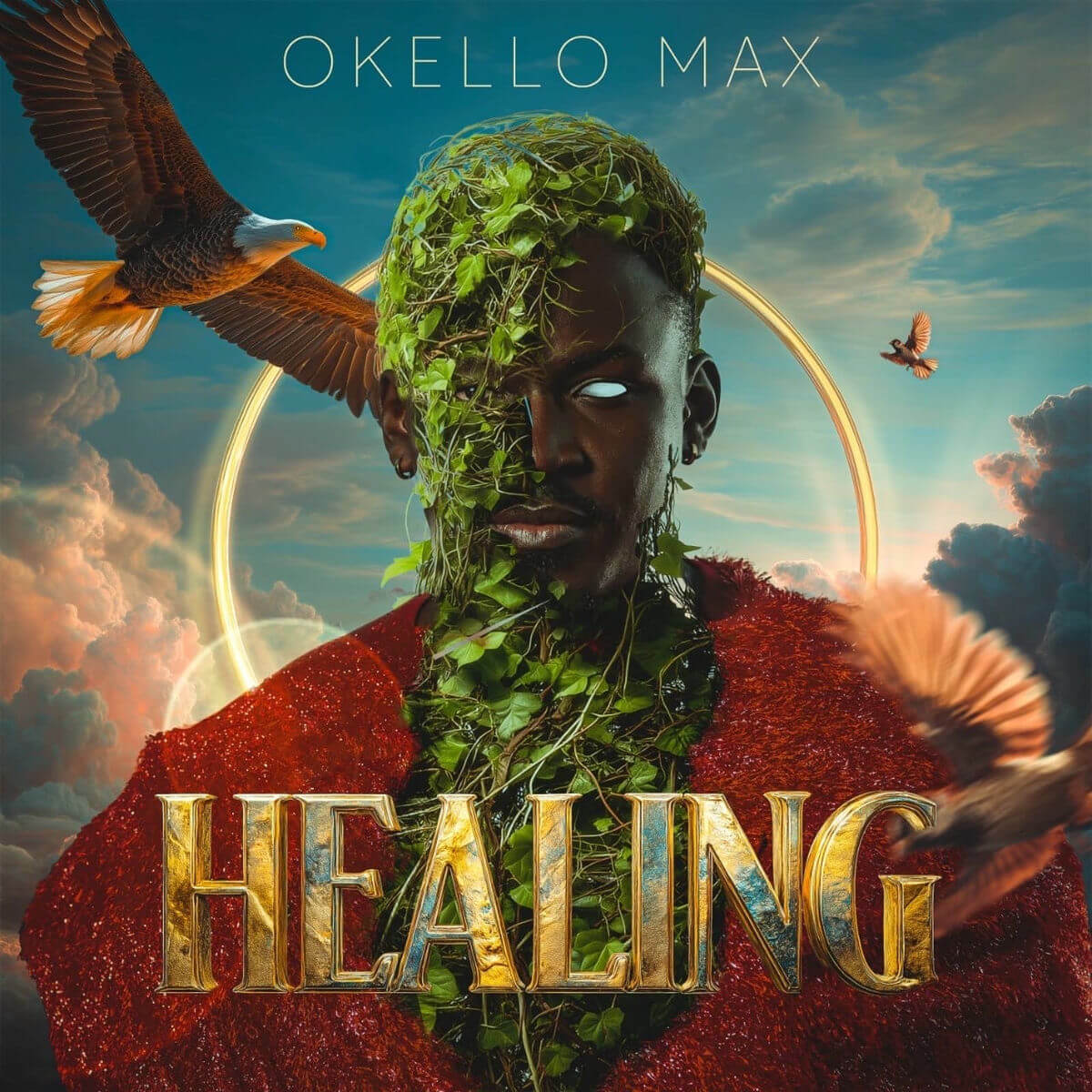
You’re never bored listening to the album from start to finish. In Healing, Okello Max has helped widen the lane for vernacular pop in Kenya, proving that a song can travel far without shedding the weight of where it comes from. Okello’s presence in the album is so strong that even with formidable collaborators such as Ywaya Tajiri, Breeder LW, VBE, Watendawili, and Mordecai Dex, it’s his voice that lingers deepest in the mind long after the last song fades. Healing is Okello Max’s statement to the world that he is an artist who need not compete for space, when he can effortlessly and naturally command it.
-
Dusk To Dawn – Serro
Serro serves up a concept album that is a cathartic experience neatly wrapped up in an album. On Dusk To Dawn she rides love until the wheels fall off, both romantic and self love, causing the whole thing to veer offroad and explode in dramatic fashion. On the first half of the album the songs feel like puncture wounds, reflecting the feeling of finding out the love you long held onto isn’t there anymore.
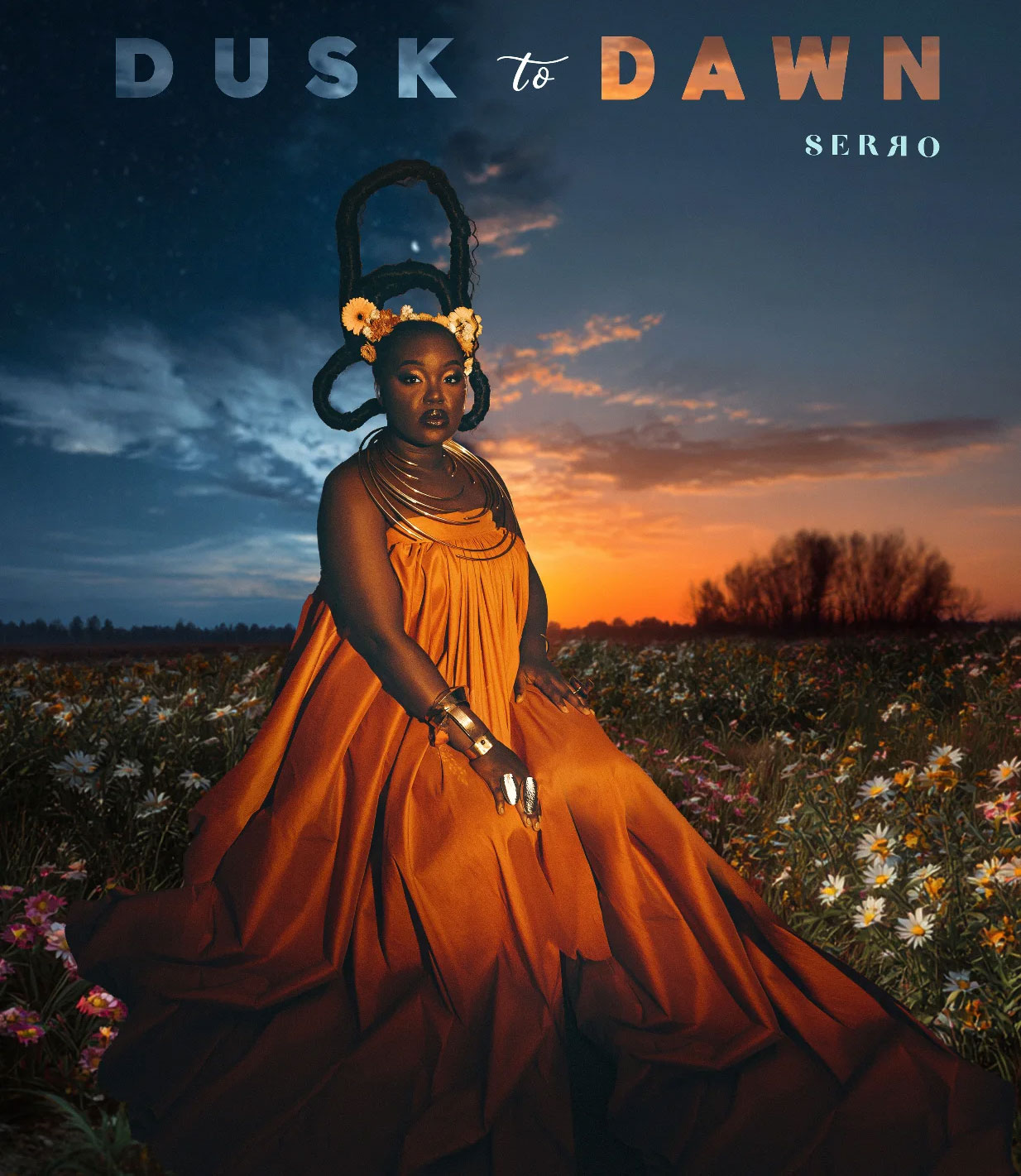
The album lyrics cut very deep against the production, sometimes creating a contrast that makes them even more potent. The narrative progression of the album from the first half into the second half makes the battle she fights all the more vivid and adds weight to her struggles and eventual return to herself. Throughout the album Serro consistently places the heavy emotional weight of her journey onto the listener, creating the most complete listening experience in Kenyan music this year.